
Why Mutual Aid Agreements Matter in Rural Law Enforcement
When people think about public safety, they often picture the deputy responding to a 911 call, the officer making a traffic stop, troopers responding to a crash or emergency crews arriving at the scene of an accident.
What many people don’t realize is how much coordination happens behind the scenes long before those moments occur.
One of the most important tools agencies use to protect communities is something called a mutual aid agreement.
What Is Mutual Aid?
A mutual aid agreement is a formal partnership between law enforcement agencies that allows them to assist one another during emergencies, major incidents, staffing shortages, natural disasters, pursuits, or situations where additional manpower is needed.
In simple terms, it means agencies work together instead of operating independently.
That cooperation can include:
- Assisting neighboring agencies during large incidents
- Providing backup for officers in dangerous situations
- Helping during natural disasters or severe weather
- Coordinating during searches, pursuits, or emergencies
- Sharing resources, personnel, and expertise
- Supporting one another when staffing is stretched thin
In rural communities, especially, mutual aid is not just helpful — it is essential.
Rural Communities Face Unique Challenges
Counties like Mountrail County cover a large geographic area with long stretches of highway, rural roads, oilfield traffic, farms, small communities, and unpredictable weather conditions.
Emergencies do not wait for the “perfect” staffing situation.
A serious crash, active incident, wildfire, missing person search, or major emergency can require multiple agencies working together quickly and effectively.
That is why relationships between departments matter.
Public safety works best when agencies communicate well, trust one another, and are prepared to respond together before an emergency ever happens.
Collaboration Is a Leadership Choice
Strong law enforcement leadership is not just about managing a department internally. It is also about building partnerships externally.
The best agencies understand that protecting communities is not a competition between departments. It is a shared responsibility.
Good leadership creates:
- Open communication between agencies
- Professional working relationships
- Clear expectations during emergencies
- Faster response coordination
- Better officer safety
- Better service for the public
When agencies work together effectively, communities benefit.
Mutual Aid Helps Keep Deputies, Troopers, and Officers Safe
One thing often overlooked in conversations about public safety is officer safety.
Law enforcement officers frequently respond to unpredictable situations:
- Domestic disturbances
- Mental health crises
- High-risk traffic stops
- Pursuits
- Rural incidents far from immediate backup
Mutual aid agreements help ensure officers are not handling dangerous situations alone when additional support may be needed.
That matters not only for the officers and deputies involved, but also for the families waiting for them to come home safely at the end of their shift.
Public Safety Has No County Lines
Criminal activity, emergencies, and disasters do not stop at jurisdictional boundaries.
Whether someone lives in Stanley, New Town, Palermo, Parshall, Plaza, Ross, or elsewhere in the county, they deserve a sheriff’s office that values collaboration, preparedness, and proactive partnerships.
Strong communities are built when agencies support one another rather than operate in silos.
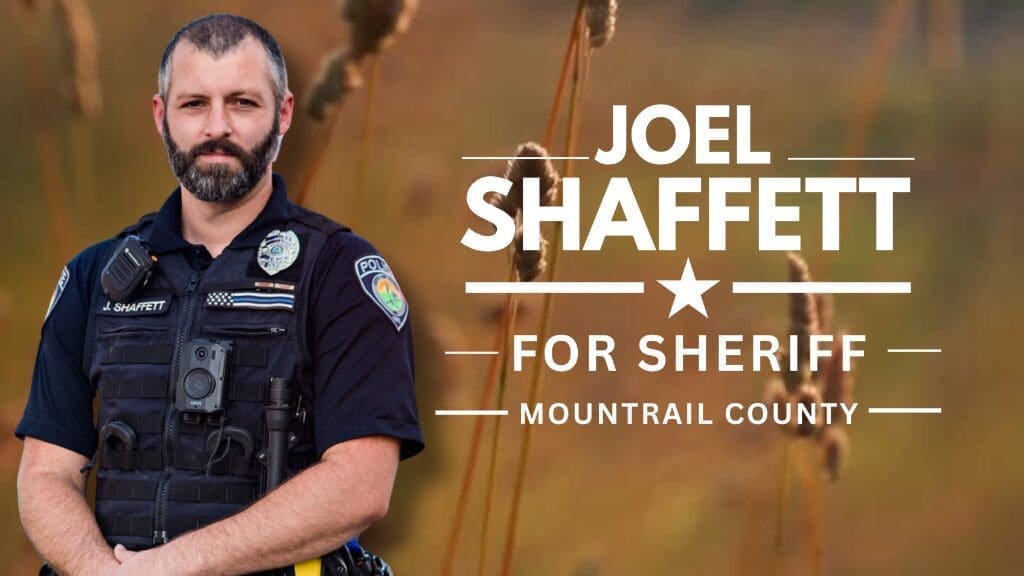
Joel Shaffett’s Belief in Collaboration
Joel Shaffett believes effective leadership starts with relationships.
Throughout his law enforcement career, Joel has consistently emphasized collaboration between agencies, communication between departments, and building trust within the communities he serves.
He believes the sheriff’s office should be:
- Visible
- Professional
- Proactive
- Community-focused
- And willing to work alongside neighboring agencies for the good of the public
Because at the end of the day, public safety is not about politics.
It is about ensuring that when people call for help, agencies are prepared to respond together, efficiently, professionally, and safely.
That is what mutual aid is really about.


Be the first to comment